
Track habits, routines, personal signals, and notes with a calm quantified-self tracker built around heatmaps and long-term patterns.
What is a quantified-self tracker?
A quantified-self tracker helps you record personal signals and understand how they change over time. Instead of relying only on memory, you can track habits, routines, values, sessions, notes, and patterns from your daily life.
HabitHeat is a calm quantified-self tracker built around visual heatmaps. You can track simple done/not-done habits, log numbers, use timers, choose custom options, and add journal notes when an entry needs more context.
This makes it useful for personal tracking without turning your life into a complicated dashboard. You can observe routines like meditation, reading, studying, deep work, workouts, writing, mood, energy, focus, or any custom signal you want to understand over time.
Track personal signals
Record habits, routines, values, sessions, notes, and other signals from your daily life.
See long-term patterns
Use visual heatmaps to understand consistency, gaps, phases, and changes over time.
Reflect with context
Add analytics and journal notes so your data becomes easier to understand later.
Why use a quantified-self tracker?
Scattered personal notes
Useful in the moment, but hard to compare over weeks, months, or years when you want to understand patterns.
HabitHeat quantified-self tracker
Turns personal entries into heatmaps, analytics, and journal notes so you can observe your habits and signals over time.
Quantified-self tracking turns small daily entries into a visual history of your life patterns.
Track your personal patterns
Use flexible habit types, heatmaps, analytics, timers, and notes to observe what changes over time.
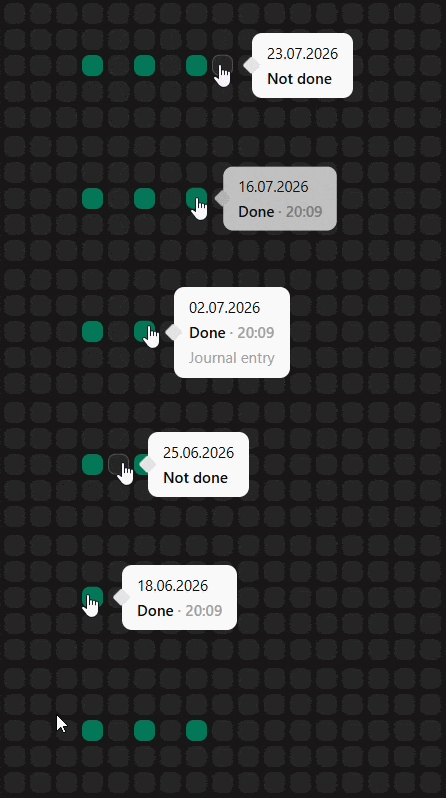
Done / Not Done habits
Mark habits as done or not done. Perfect for simple routines like meditation, reading, workouts, studying, or writing.
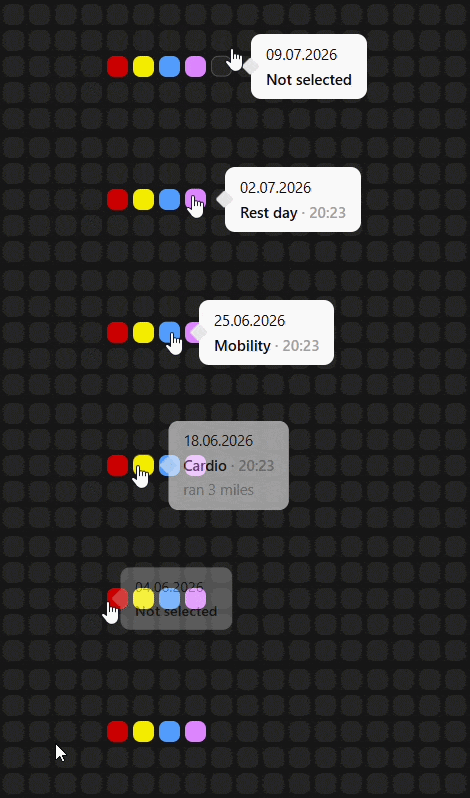
Options tracking
Track mood, focus, energy, quality, intensity, or custom categories with flexible options.
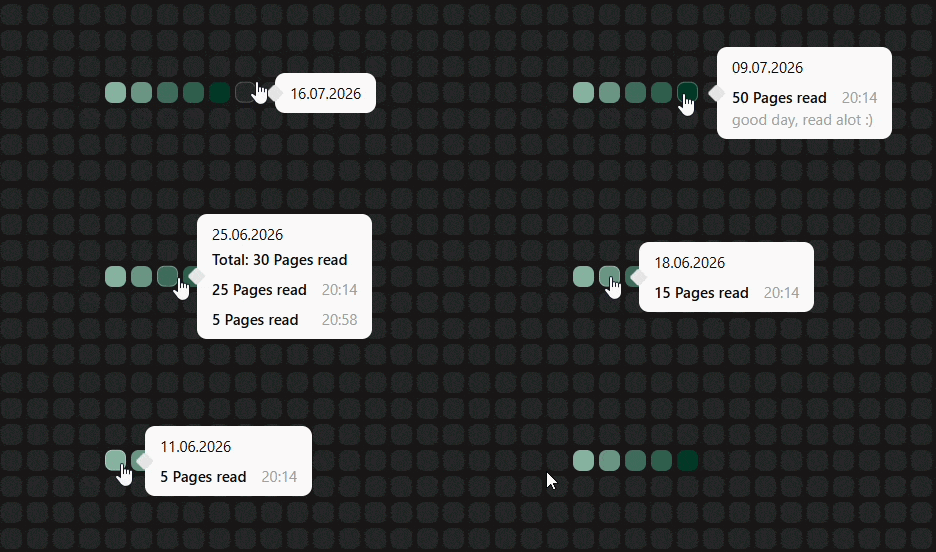
Number tracking
Track anything measurable. Log minutes, pages, repetitions, steps, words, ratings, or custom values and see them build up over time.
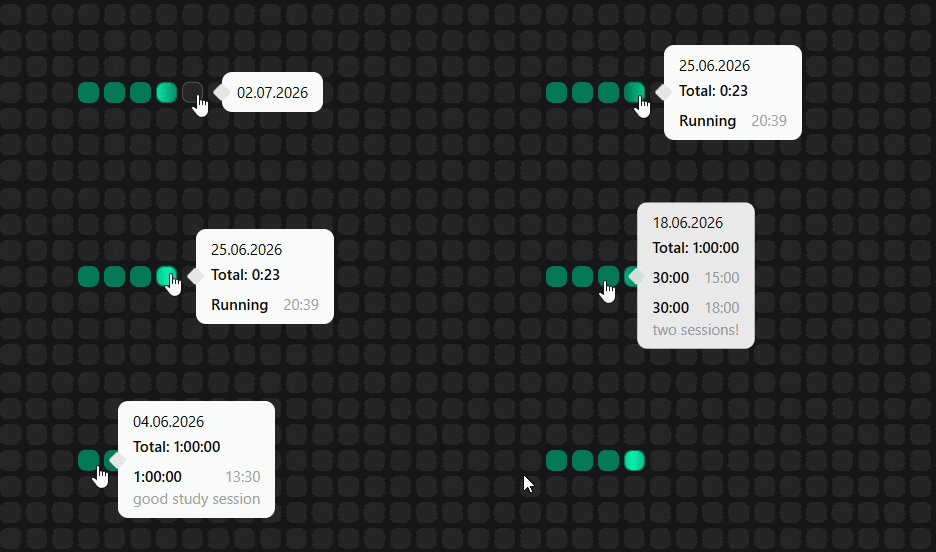
Timer tracking
Start and stop sessions to track real time spent. Ideal for meditation, deep work, coding, reading, workouts, or focused study.
Personal analytics
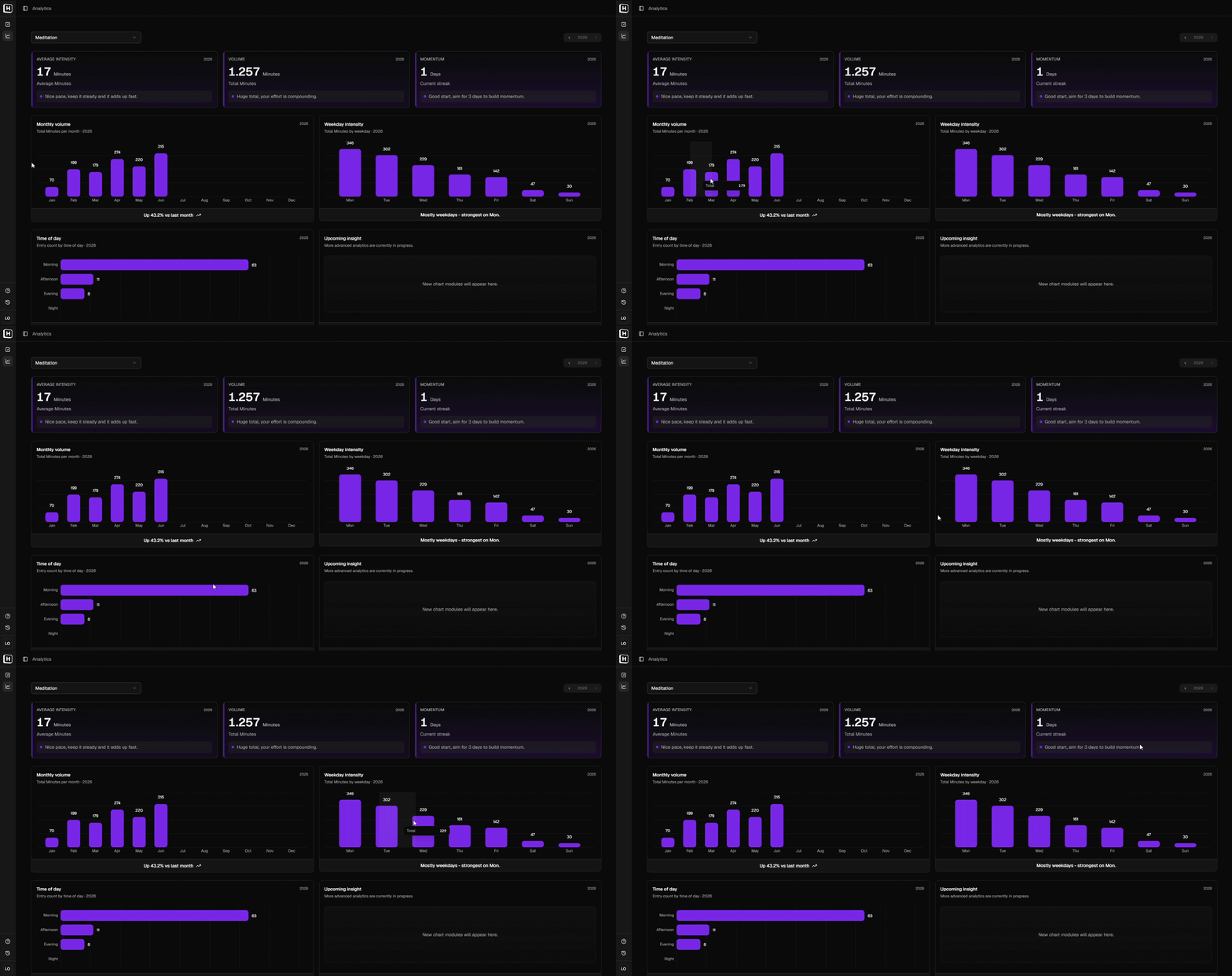
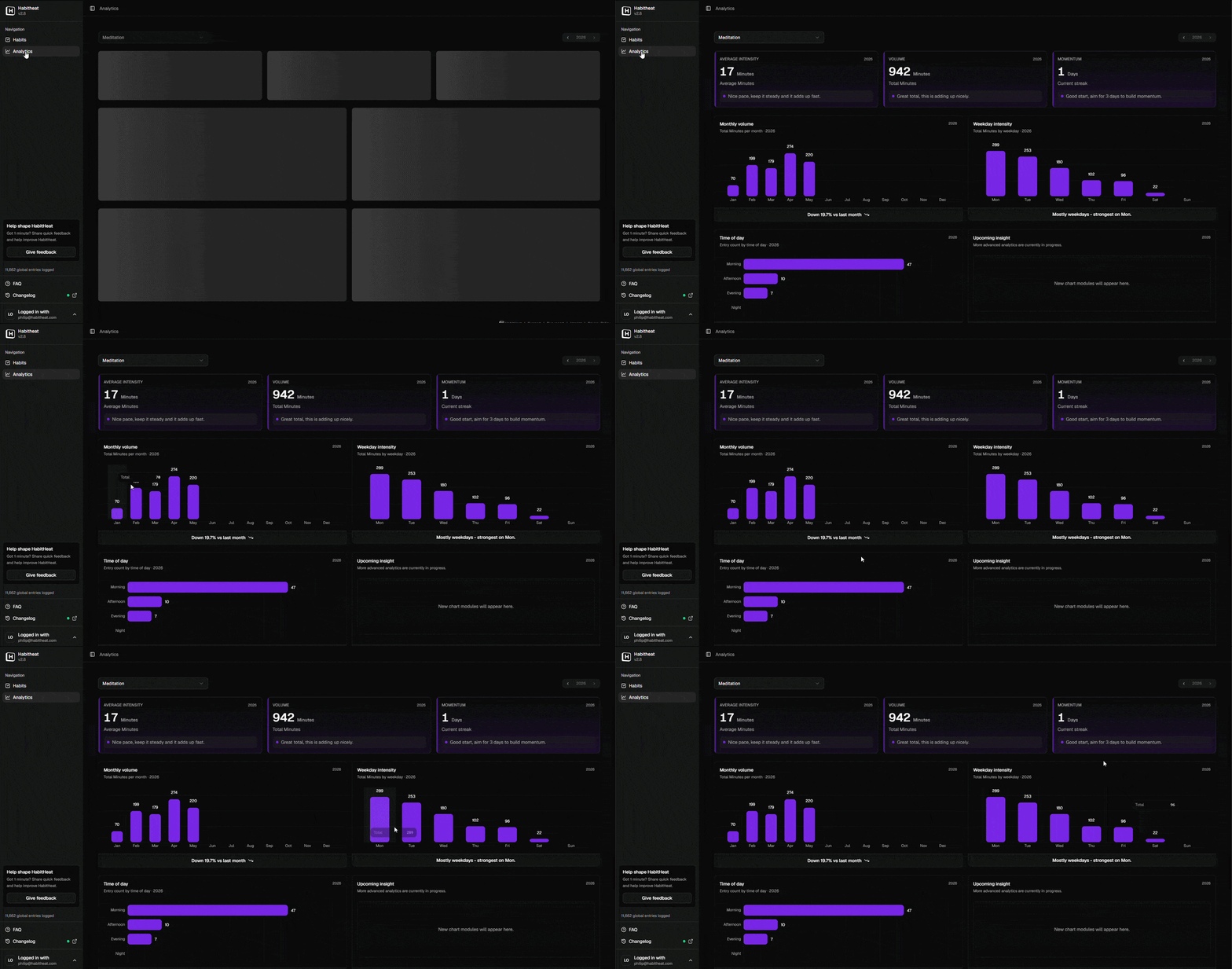
See totals, averages, weekday patterns, monthly volume, and changes over time so you can understand your real rhythm.
Journal entries
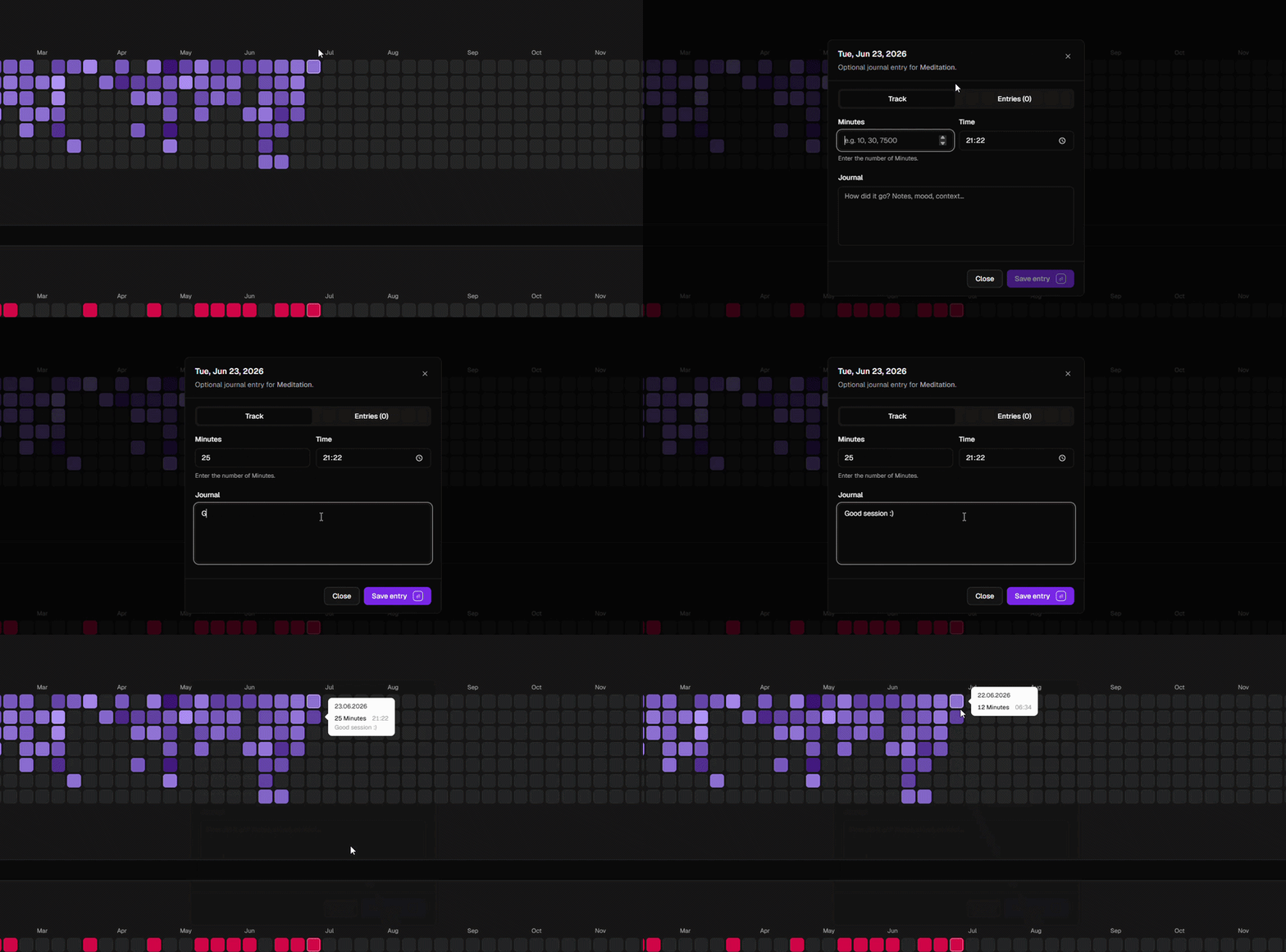
Add notes to your entries so your history keeps context, not just numbers. Useful for missed days, strong phases, experiments, or small reflections.
From daily entries to long-term patterns
Track personal signals in a visual overview
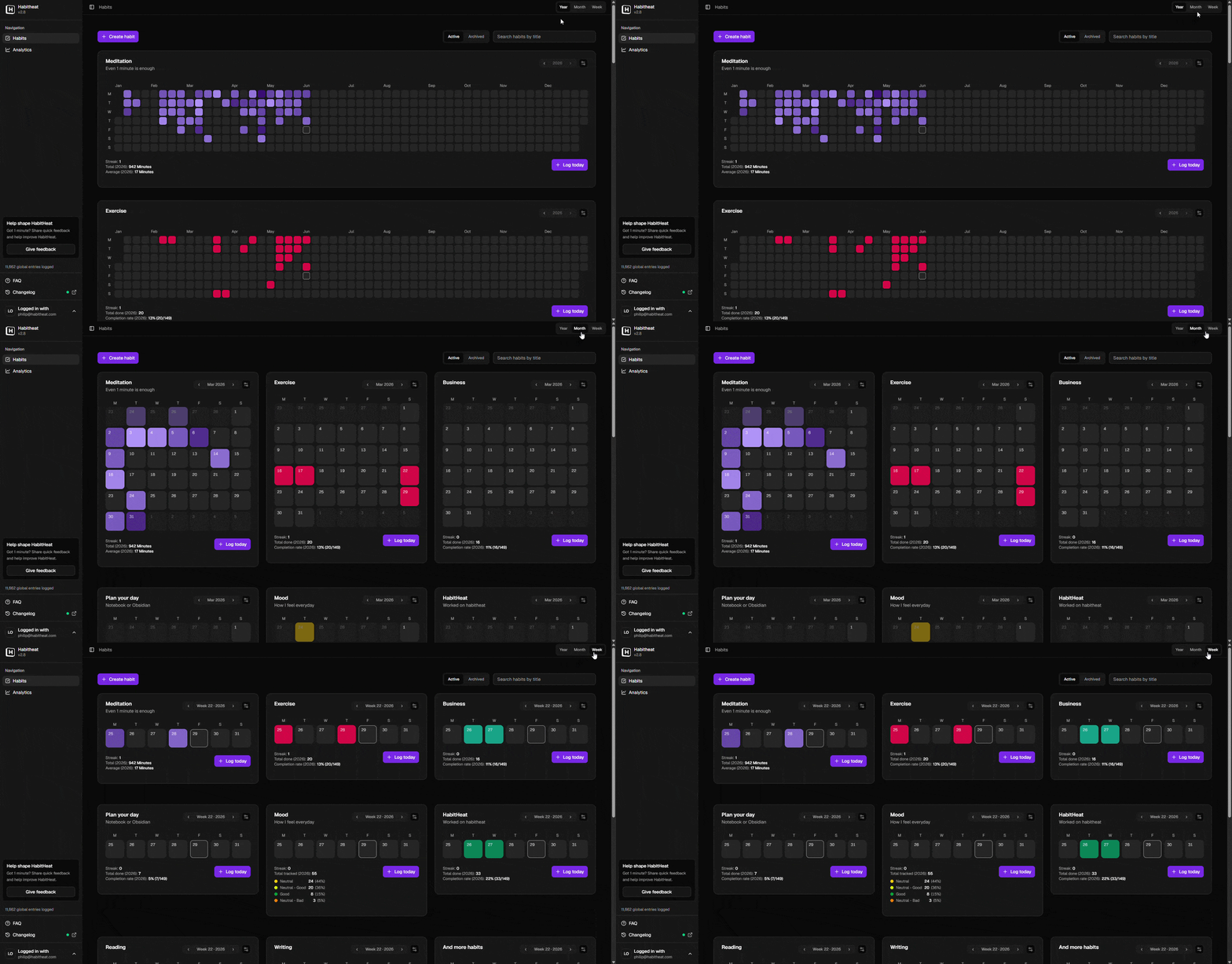
The habits overview is where your personal entries turn into visual heatmaps. Switch between year, month, and week views to see your routines from different distances: the full year, recent phases, or the details of a single week. Over time, your data becomes easier to read at a glance.
Understand what changed
Analytics help you look behind the heatmap. See totals, averages, monthly volume, weekday patterns, time-of-day trends, and other signals that show how your habits and routines actually fit into your life. Instead of only knowing what happened today, you can look back and understand how your patterns changed over time.
Frequently asked questions about quantified-self tracking
A quantified-self tracker is a tool for recording personal data, routines, habits, and signals over time.
You can use it to track things like meditation, reading, workouts, focus, mood, energy, study time, writing, sleep routines, or any custom signal you want to observe.
HabitHeat shows this data as heatmaps, analytics, and journal notes so you can understand your personal patterns more clearly.
Habit tracking usually focuses on whether you completed a habit. Quantified-self tracking is broader.
It can include habits, numbers, timed sessions, mood, energy, focus, personal experiments, notes, and other signals from your daily life.
HabitHeat works well for both. You can use it as a simple habit tracker or as a broader quantified-self tracker for observing patterns over time.
You can track many different personal signals with HabitHeat.
Examples include meditation, reading, studying, deep work, workouts, writing, coding, language learning, mood, energy, focus, sleep routines, symptoms, personal experiments, or any custom routine you want to observe.
You can keep it simple or make it more detailed depending on how much you want to track.
Yes. HabitHeat supports number-based habits.
You can log minutes, pages, repetitions, steps, words, ratings, session counts, or any custom value that matters to you. This is useful when you want to track more than whether something happened.
Over time, those values can become part of your long-term habit history.
Yes. You can track mood, energy, focus, quality, or other personal states with options habits or custom values.
For example, you could use options like “high energy,” “medium energy,” and “low energy,” or track focus quality after deep work sessions.
This can help you understand how your routines feel over time, not just whether they happened.
Yes. HabitHeat includes analytics to help you understand your entries beyond simple checkmarks.
You can look at totals, averages, monthly activity, weekday patterns, time-of-day trends, and changes over time.
The goal is to give you useful signals without making the app feel complicated or overwhelming.
Yes. HabitHeat includes journal entries so you can add context to your habit and quantified-self history.
This is useful when the data alone does not explain what happened. You can write notes about missed days, strong phases, low energy, experiments, changes in routine, or anything else you want to remember later.
Notes help connect your personal data with the real life behind it.
Yes. HabitHeat is free to use.
You can start tracking habits, personal signals, heatmaps, and journal notes without paying. HabitHeat also has an optional Supporter plan for users who want to support independent development and receive small extra benefits over time.
Have more questions? Read the full HabitHeat FAQ.