
Track study sessions, minutes, focus, and notes with a calm visual habit tracker built around heatmaps and long-term patterns.
What is a study habit tracker?
A study habit tracker helps you record when you study and how your learning routine develops over time. Instead of only remembering whether you studied today, it gives you a visual history of your study sessions, minutes, focus, and progress.
With HabitHeat, your study entries become a heatmap. You can track simple study days, log minutes, use a timer for focused sessions, choose custom options for focus or energy, and add notes when a study session needs more context.
This makes it easier to understand studying as a long-term routine. You can notice strong weeks, quiet phases, exam periods, restarts, gaps, and the small sessions that would usually disappear in a normal checklist.
Track study days
See when you studied and how your learning routine developed over time.
Log time or focus
Track study minutes, focused sessions, energy, or simple daily check-ins.
See long-term progress
Watch your study habit build across weeks, months, and the full year.
Why use a visual study habit tracker?
Simple study goal
Good for setting an intention, but limited when you want to understand consistency, focus, gaps, exam phases, and long-term rhythm.
HabitHeat study tracker
Turns your study entries into a visual calendar, so you can see study sessions, breaks, stronger periods, and changes in your routine at a glance.
A study heatmap turns small learning sessions into a visible long-term routine.
Track studying your way
Whether you study for ten minutes, one hour, or longer focused sessions, HabitHeat adapts to your learning routine.
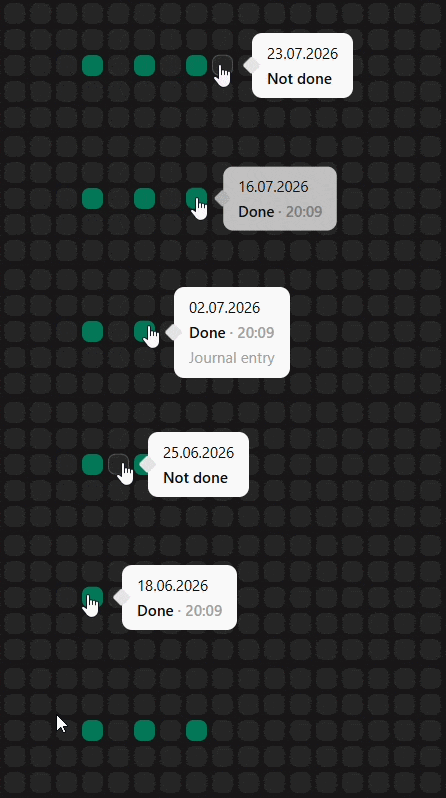
Done / Not Done habits
Mark the days you studied. Perfect if you simply want to see when you showed up.
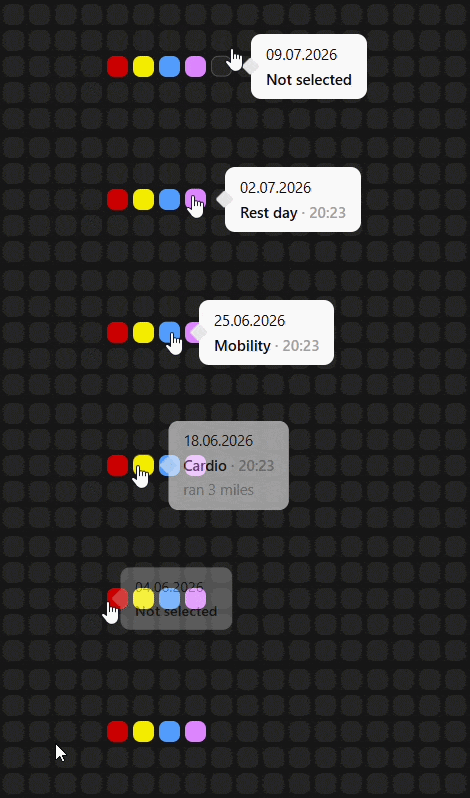
Options tracking
Track focus, energy, study quality, subject, or session type with custom options.
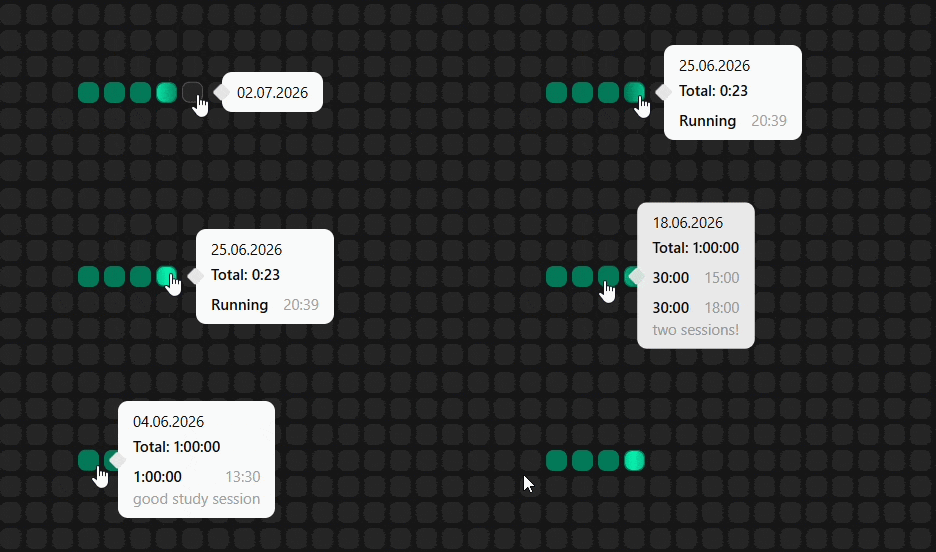
Number tracking
Log study minutes, pages, chapters, exercises, flashcards, or any custom study value.

Timer tracking
Start and stop study sessions to track the real time you spent learning.
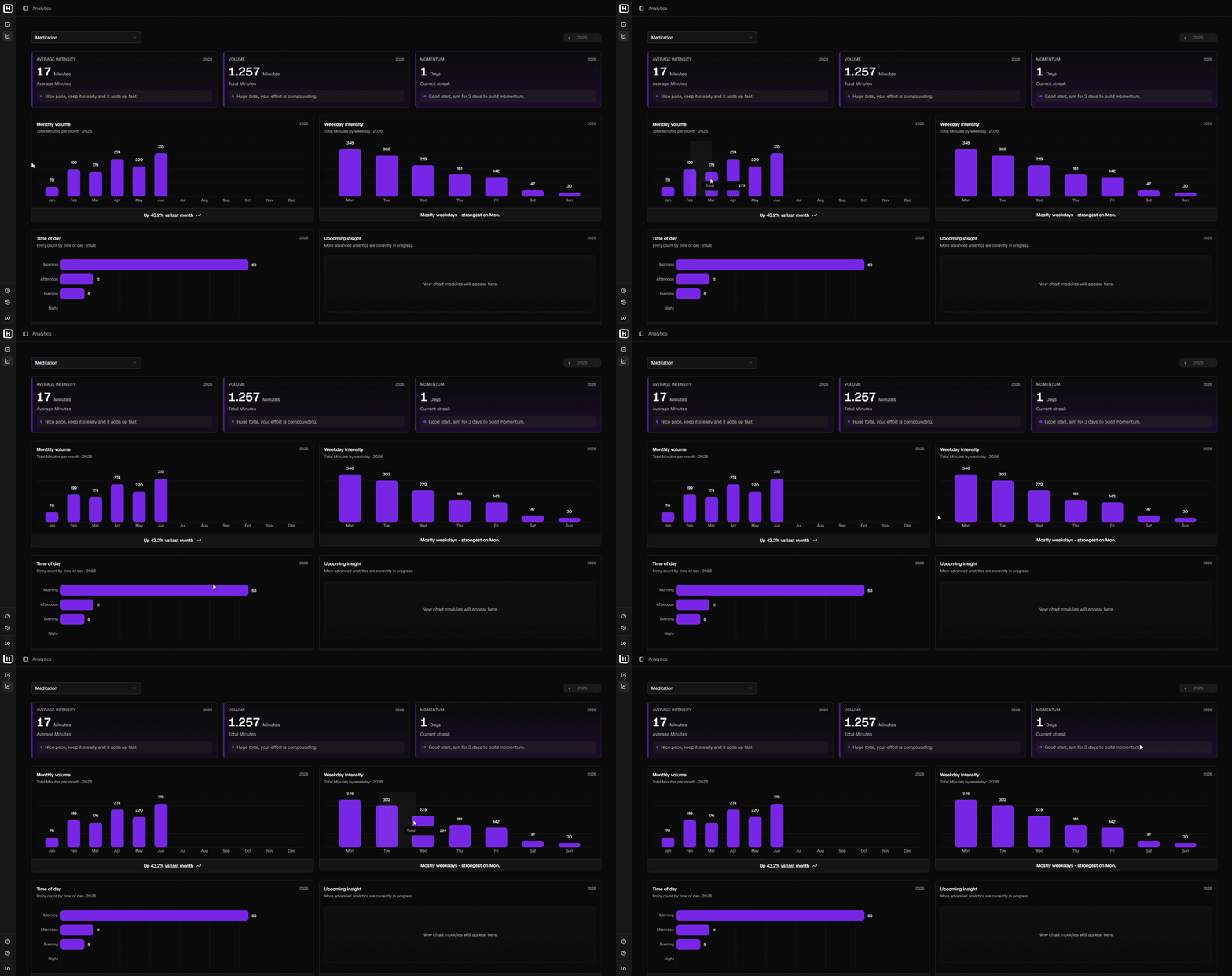
Study analytics
See totals, averages, weekday patterns, monthly volume, and changes over time so you can understand your real study rhythm.
Journal entries
Add notes to study entries so your history keeps context, not just minutes. Useful for exam phases, difficult topics, or small reflections.
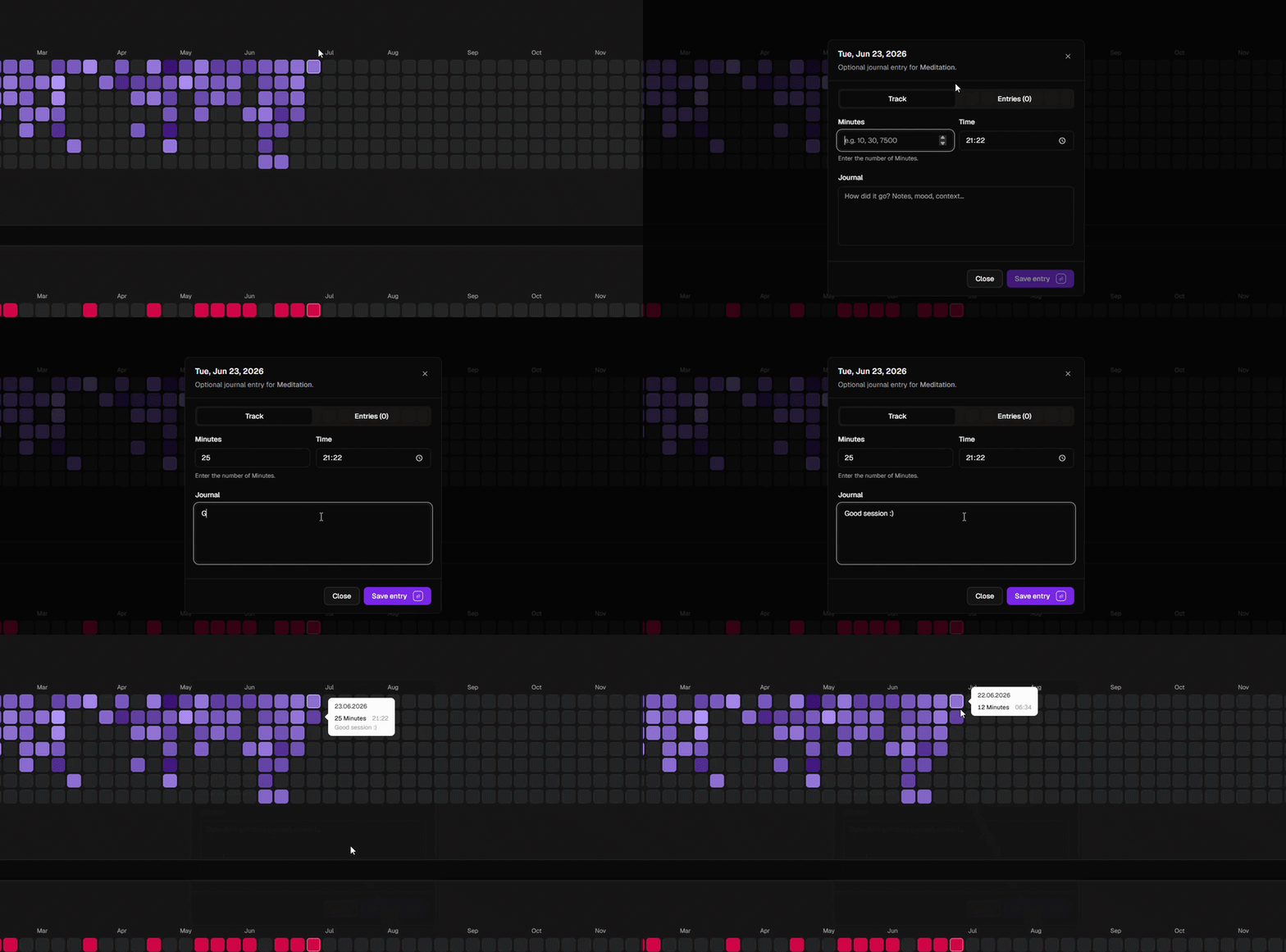
From daily entries to long-term patterns
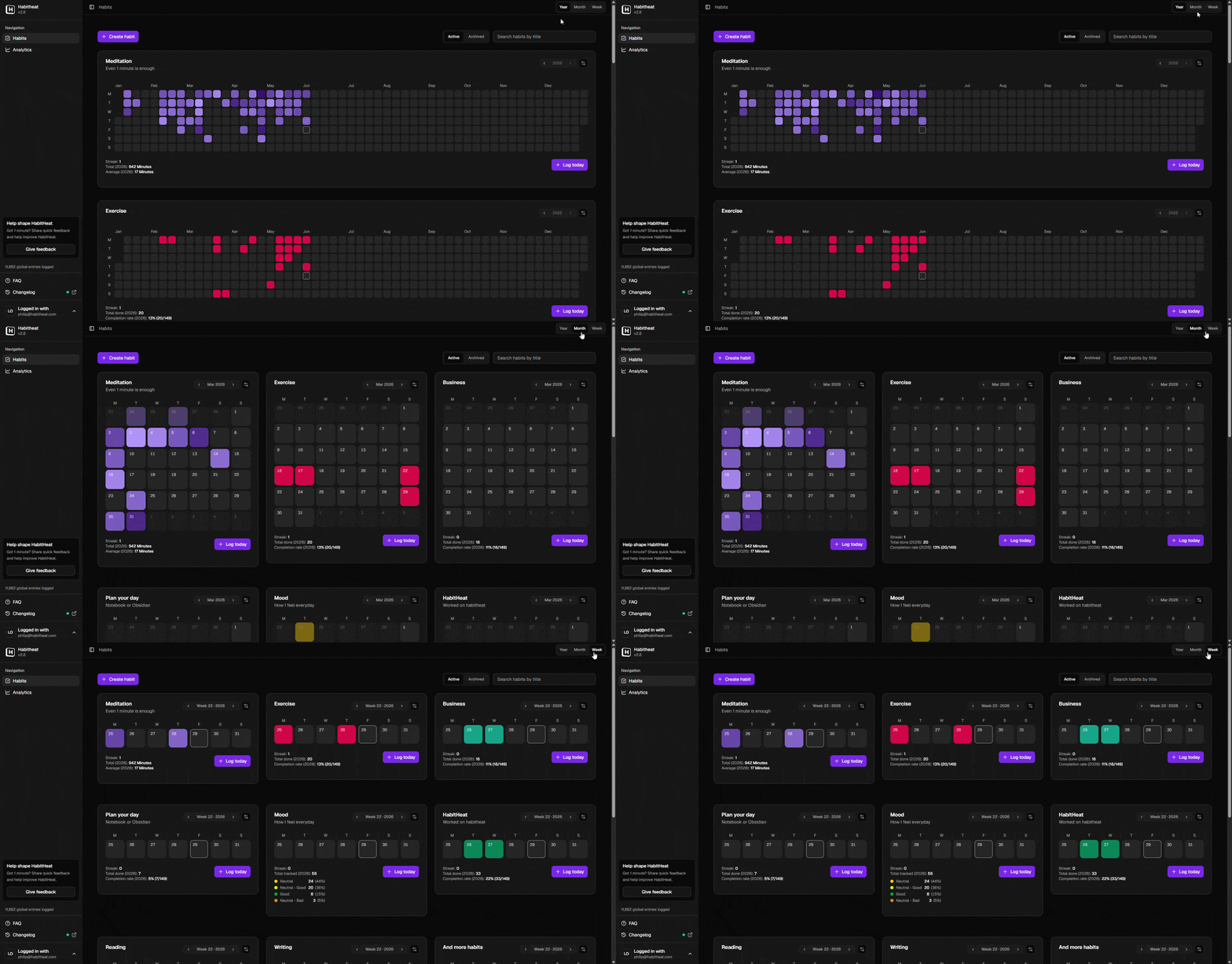
Track studying in a visual overview
The habits overview is where your study entries turn into a heatmap. Switch between year, month, and week views to see your study routine from different distances: the full year, recent phases, or the details of a single week. Over time, your study history becomes easier to read at a glance.
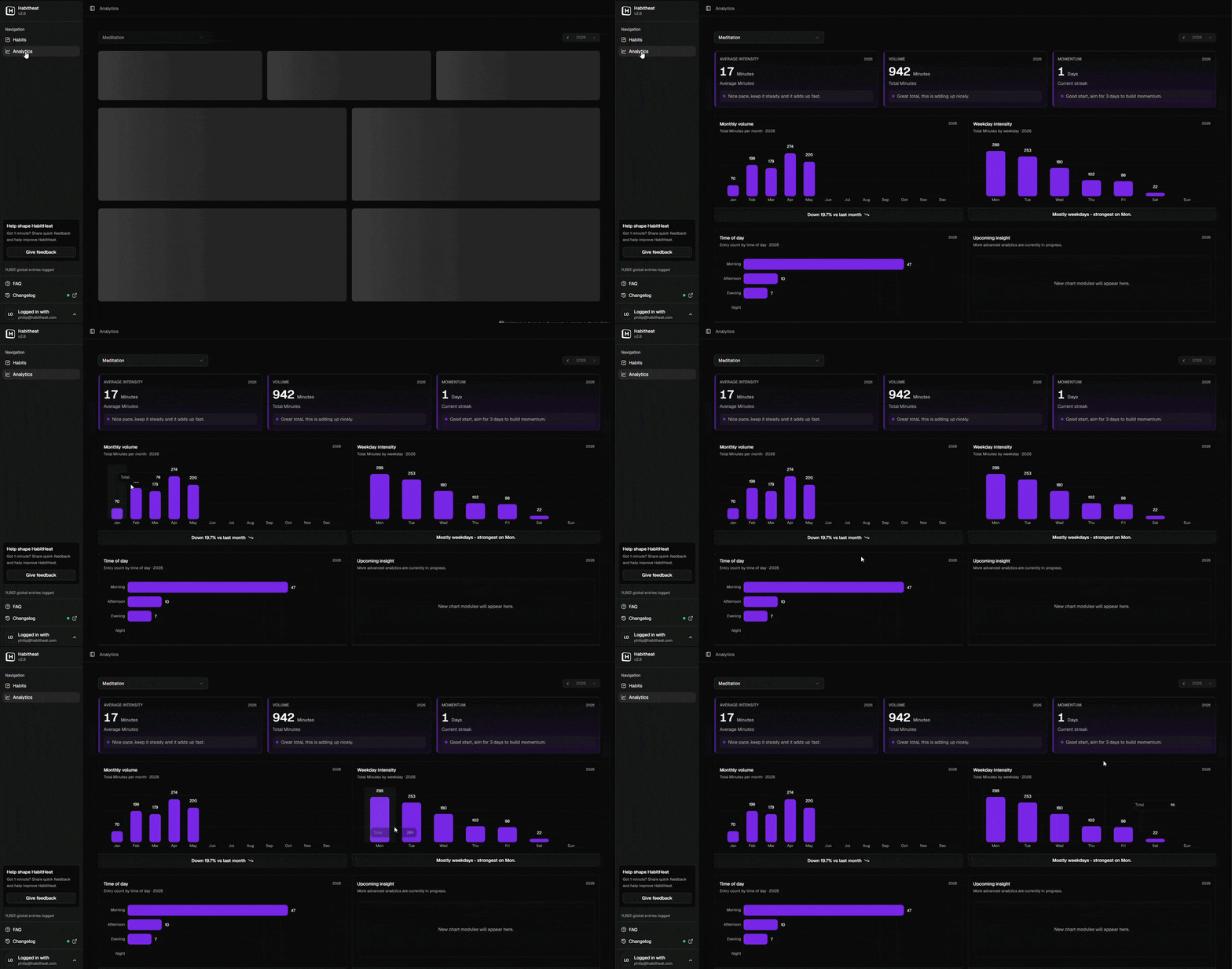
Understand your study rhythm
Analytics help you look behind the heatmap. See total study time, averages, monthly volume, weekday patterns, time-of-day trends, and other signals that show how studying actually fits into your life. Instead of only knowing whether you studied today, you can look back and understand when you were consistent, where gaps appeared, and how your routine changed over time.
Frequently asked questions about study habit tracking
A study habit tracker is a tool for recording when you study and how your learning routine changes over time.
You can use it to track study days, session length, total minutes, focus, subjects, exercises, notes, or exam preparation. Over time, your entries create a history of your study habit.
HabitHeat shows this history as a visual heatmap, so you can see patterns, gaps, strong phases, and long-term progress more clearly.
A study heatmap turns your study entries into small calendar cells.
Each day becomes part of the visual timeline. When you study, the day becomes active. Depending on how you track studying, the heatmap can show whether you studied, how many minutes you spent, how often you returned to the habit, or what kind of session you logged.
This makes it easier to understand your study routine over weeks, months, and years instead of only focusing on today.
Yes. You can track study minutes with a number-based habit or a timer habit.
A number-based habit is useful if you want to manually enter minutes after studying. A timer habit is useful if you want to start and stop a study session directly in HabitHeat.
Both approaches can help you see how your study time adds up over time.
Yes. HabitHeat supports timer habits, which work well for study sessions.
You can start a timer when you begin studying and stop it when the session is finished. This helps you track real time spent without needing to manually calculate the duration afterwards.
Timer habits are useful for studying, deep work, reading, coding, meditation, or any habit that happens as a focused session.
Yes. You can track subjects or study types in different ways.
You can create separate habits for different subjects, use options to label session types, or keep one general study habit and add notes for context. For example, you could track math, language learning, exam prep, flashcards, reading, or project work.
The best setup depends on how detailed you want your tracking to be.
Yes. You can add journal notes to your habit history.
This is useful when you want to remember what you studied, why a session was difficult, what topic you focused on, or why you missed a few days.
For example, you might write “worked on flashcards,” “exam week,” “low focus today,” or “finally understood the topic.” These notes add context to your heatmap.
No. You do not need to study every day for HabitHeat to be useful.
Some study routines are daily, but many happen in phases. You might study more during exam periods, less during busy weeks, or only on certain weekdays.
HabitHeat helps you see what actually happens. Gaps, restarts, and quiet periods are part of your study history, not a reason to delete it.
Yes. HabitHeat is free to use.
You can start tracking studying, build heatmaps, and use the core habit tracking features without paying. HabitHeat also has an optional Supporter plan for users who want to support independent development and receive small extra benefits over time.
Have more questions? Read the full HabitHeat FAQ.